Retail glazing / Delaware & Eastern Shore
Smash-and-Grab Window Film for Delaware Storefronts
Plan the security objective without losing sight of the storefront: doors, display glass, merchandise visibility and store operations.
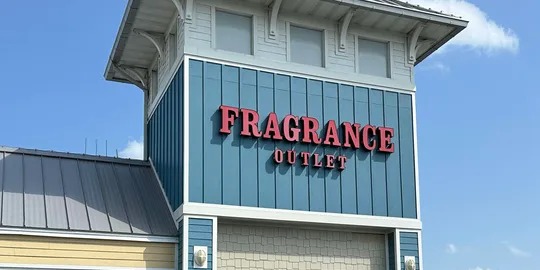
Fragrance Outlet storefront · Rehoboth Beach, Delaware
Project scope
Fragrance Outlet
330 sq ft
Window film installed
Interior S800
Security film specification
Exterior S70
Separate solar-control film
01 / The opening review
A storefront still needs to be a storefront
Display visibility, daylight and the view into the shop matter alongside the security objective. Review clear and tinted film appearance on the actual glass, and consider the perimeter finish where attachment is specified. A product’s published light transmission describes its reference glass, not every storefront.
At Fragrance Outlet in Rehoboth Beach, the recorded scope is 330 sq ft with interior 3M Ultra S800 and exterior-applied 3M S70 solar film. Security and solar control were separate parts of the specification. The record does not establish an attack outcome, theft prevention or a measured delay time.
02 / The opening review
Map the front of the store
Entry doors: identify the glass, hardware and moving-frame conditions. Sidelites: record each narrow pane beside the door and its own perimeter. Display windows: include fixed glazing, shelving clearance and access to both relevant surfaces. These are survey zones, not a security rating.
Film may help hold fractured glass together; required frame attachment addresses the filmed pane’s connection to a suitable frame. Locks, alarms, merchandise placement and response planning remain separate owner decisions. No film makes a store theft-proof.
Conceptual opening map · not a tested assembly
03 / The opening review
Prepare for an occupied-store installation
Identify a store contact, permitted working hours, landlord permissions, access restrictions and how displays will be cleared and protected. Discuss daytime or after-hours phasing before pricing; availability depends on the job and access, not a universal overnight promise.
The scope should account for interior and exterior access, cleaning and preparation, attachment where required, and the selected products’ curing and care instructions. Coordinate door operation and customer circulation with the store team; follow the actual manufacturer instructions before cleaning treated glass.
Work around the store’s day
- Confirm permissions and a site contact.
- Agree access, displays and customer circulation.
- Document film and attachment separately.
- Hand over care, curing and warranty records.
04 / The opening review
What to bring to a retail glazing survey
Start with the site address, approximate number of doors and fixed panes, the areas you want reviewed, existing film if known, access windows and the desired appearance. Existing glass schedules or landlord documents help, but glass and frames still need on-site confirmation.
Request a proposal that separates film, frame attachment, access, scheduling and closeout documents. Current product requirements govern the proposed assembly: S800 requires IPA for break-entry applications; S2400 requires IPA for all applications under its US product page, and must not share a pane with PET film.
A practical quote brief
- Doors, sidelites and fixed display panes
- Current glass or landlord records
- Preferred appearance and solar-control objective
- Occupied-store access and scheduling
Storefront security questions
Next step
Plan the storefront, not just the square footage.
Bring the doors, display glass, appearance goals and working hours into one documented glazing scope.