C-BondBallistic-Resistant Glass System
An engineered ballistic-resistant film-to-glass system. C-Bond nano-technology bonds the treated glass and multiple film layers into one assembly; the protection level depends on the specified glass type, thickness and film build. We have documented school glazing work in all three Delaware counties, with system selection made project by project.
Why C-Bond Is Different
Traditional security films sit on glass with adhesive. C-Bond is a glass-strengthening treatment engineered to improve how the glass and film perform together — as part of a complete tested assembly.
Ballistic Resistance
An engineered ballistic-resistant system. Rating depends on the tested configuration of glass, C-Bond treatment and film layers.
C-Bond Technology
Manufacturer-specified glass treatment used only within qualifying tested film-and-glass assemblies.
Glass Retention
Glass retention and resistance depend on the exact qualifying tested configuration and frame.
Tested Configurations
Review the complete manufacturer test report and assembly details before referencing any test level. No universal UL listing is implied.
A Tested Assembly, Not a Standalone Film
C-Bond's patented nano-technology penetrates microscopic imperfections in glass, creating anchor points that molecularly bond the security film to the glass surface.
Document the glass
Match the existing type and thickness to a tested build
Specify the treatment
Use the named C-Bond treatment from the qualifying report
Match film layers
Follow the minimum film build in that report
Review the frame
Check attachment and installation details before claiming a rating
Critical Protection
In active threat situations, every second counts. A correctly specified C-Bond ballistic system is designed to add delay at the glass line while evacuation and law enforcement response are under way.
Schools
Window-film projects across 14 Red Clay schools
Government
Engineered assemblies for government and municipal facilities
Corporate
Passive protection — no power or monitoring required
Milford Middle School — $77,000 ballistic-resistant glazing retrofit underway
Approximately 2,100 square feet of exterior and interior glazing at Milford Middle School in Delaware — three layers of 15-mil safety and security film with C-Bond chemical between the layers, plus roughly 900 linear feet of 3M Impact Protection Attachment. Awarded through glazing partner Walker & Laberge Glass; installation is underway.
See the project spotlightRequest the qualifying assembly report
A ballistic test level applies to the precise glass, C-Bond treatment, film configuration and installation tested. Review the full manufacturer report against the proposed opening before specifying a level; no ammunition or test-level chart applies to ordinary window film.
C-Bond BRS manufacturer performance sheetC-Bond Technical Resources
C-Bond BRS Ballistic Resistant System — Performance Data Sheet
Manufacturer data sheet: tested calibers, NIJ / UL 752 levels, glass types and minimum film layers
C-Bond Ballistic Test Results
Full third-party test reports available on request for a specified configuration
C-Bond Installation Specs
Professional installation requirements
C-Bond Ballistic-Resistant Systems FAQ
Common questions about ballistic-resistant glazing systems
Next step
Protect What Matters Most
Schedule a Shore glazing survey and learn how C-Bond ballistic-resistant systems can help protect your Delaware school, business, or government facility.
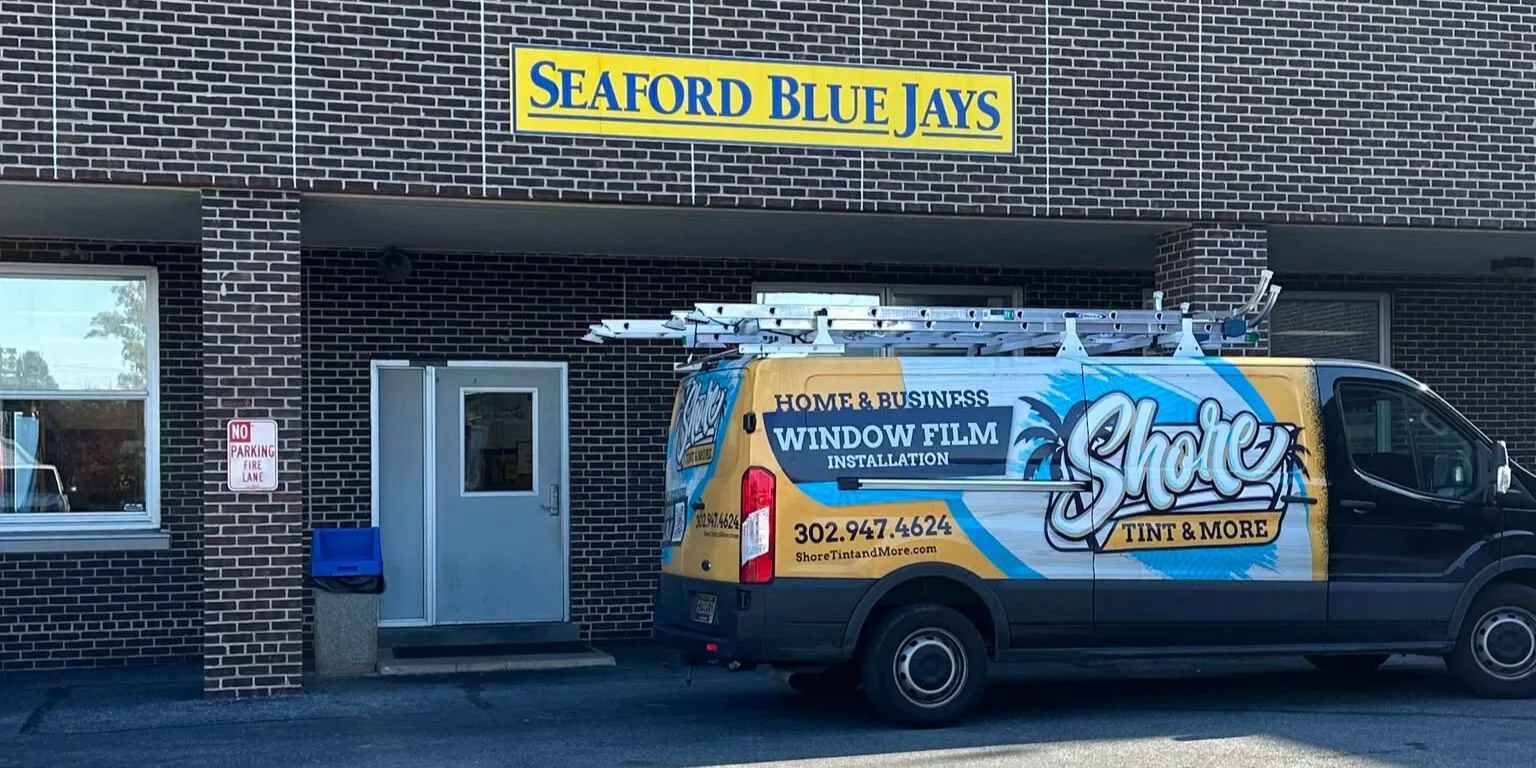
Delaware's Trusted Window Film Team
Family-owned since 1989. 3M Authorized Dealer serving all of Delaware with expert installation and applicable manufacturer product/application warranty documentation.
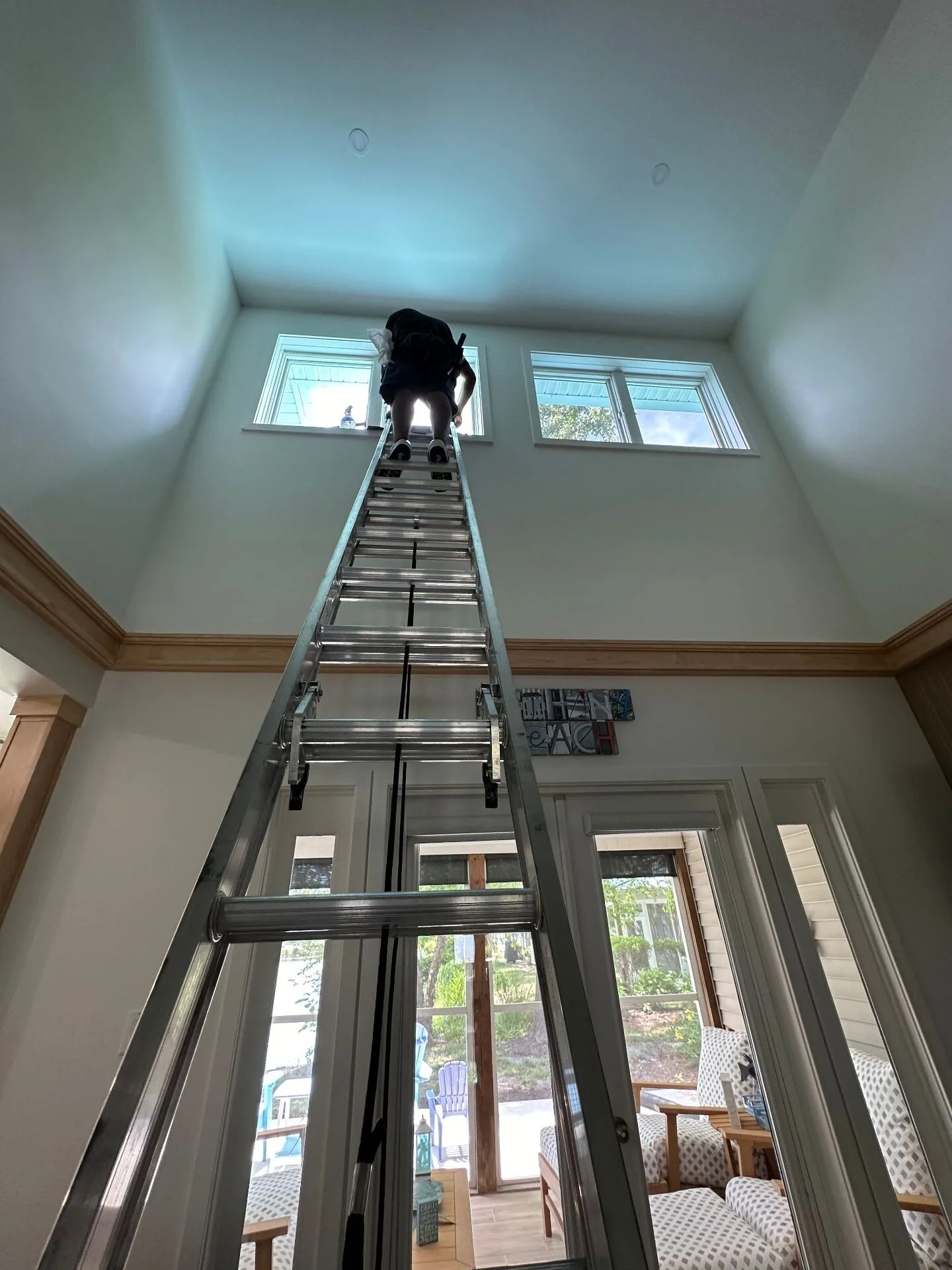
No Window Too High
Vaulted ceilings, multi-story lobbies, and hard-to-reach glass — handled safely and professionally.
Shore Tint & More — Proudly Local
Delaware's trusted window film professionals since 1989.
Plan the scope
Before budgeting ballistic film for school windows
Background reading districts and facility teams use to scope ballistic-resistant glazing work.
Qualifying assembly
A tested system, not ordinary window film
Glass selection, manufacturer-specified treatment, film system and installation must match a qualifying report. Milford Middle School work is documented as underway; this diagram makes no field-performance claim.
- 01 / Qualifying glass
Identify the precise glass construction in the proposed test report.
- 02 / C-Bond treatment
Follow the manufacturer treatment specification for that assembly.
- 03 / Specified film
Use only the film configuration and installation described in the qualifying documentation.
Security glazing · Shore Tint & More
Compare the complete system
Film, glass, attachment and frame determine what can be specified for an opening.