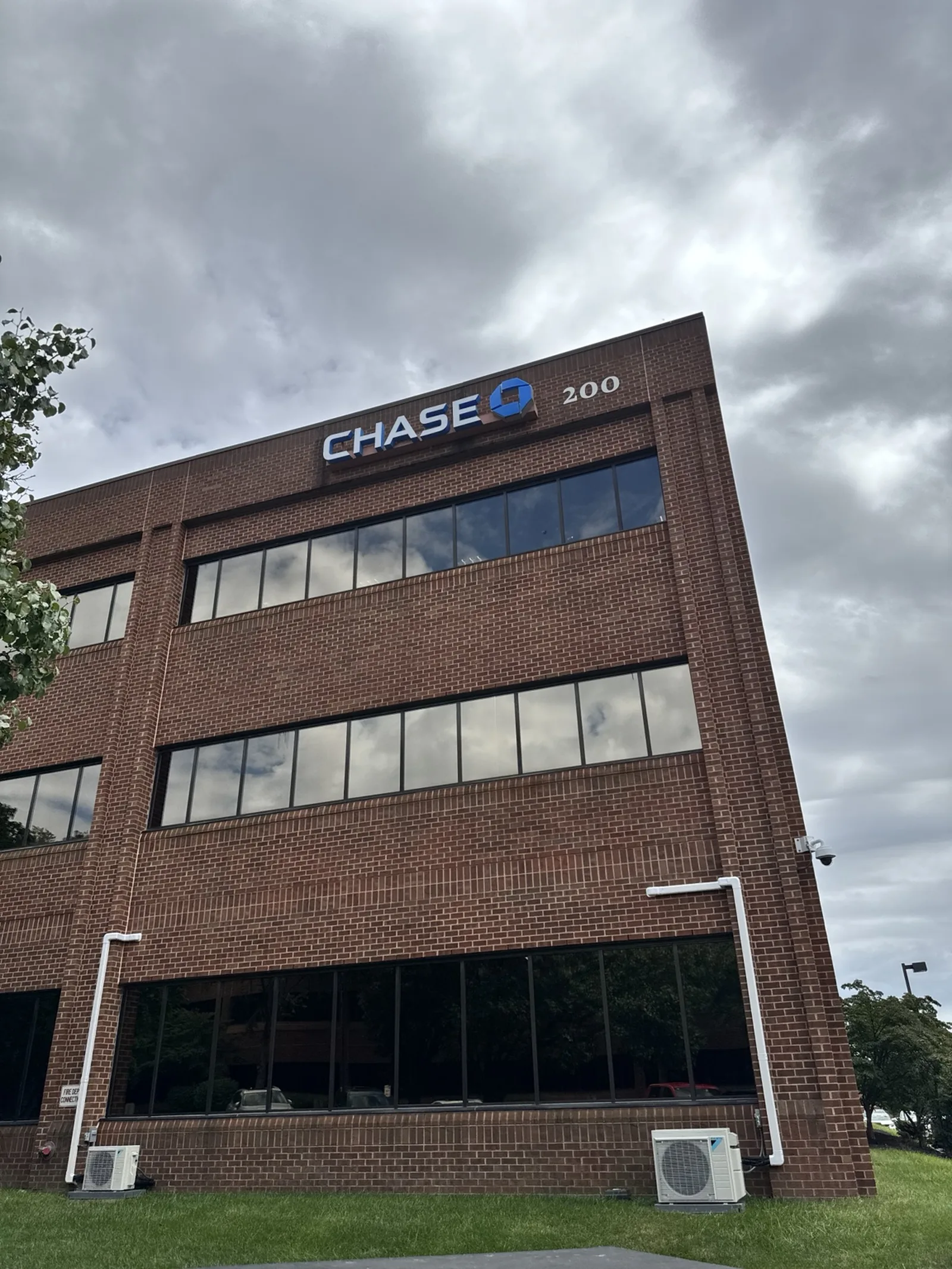
Occupied offices
JPMorgan ChaseCommercial window film across multiple office and call-center locations.
Shore Tint & More · Architect + GC Resource Center
Specification support, budget takeoffs, glazing compatibility review, submittals, samples and field installation. Shore Tint & More is a Delaware-based architectural window-film resource for architects, construction managers, glazing contractors and institutional facility teams—from design through closeout. Larger Mid-Atlantic projects are reviewed for scope, site access and installation logistics.
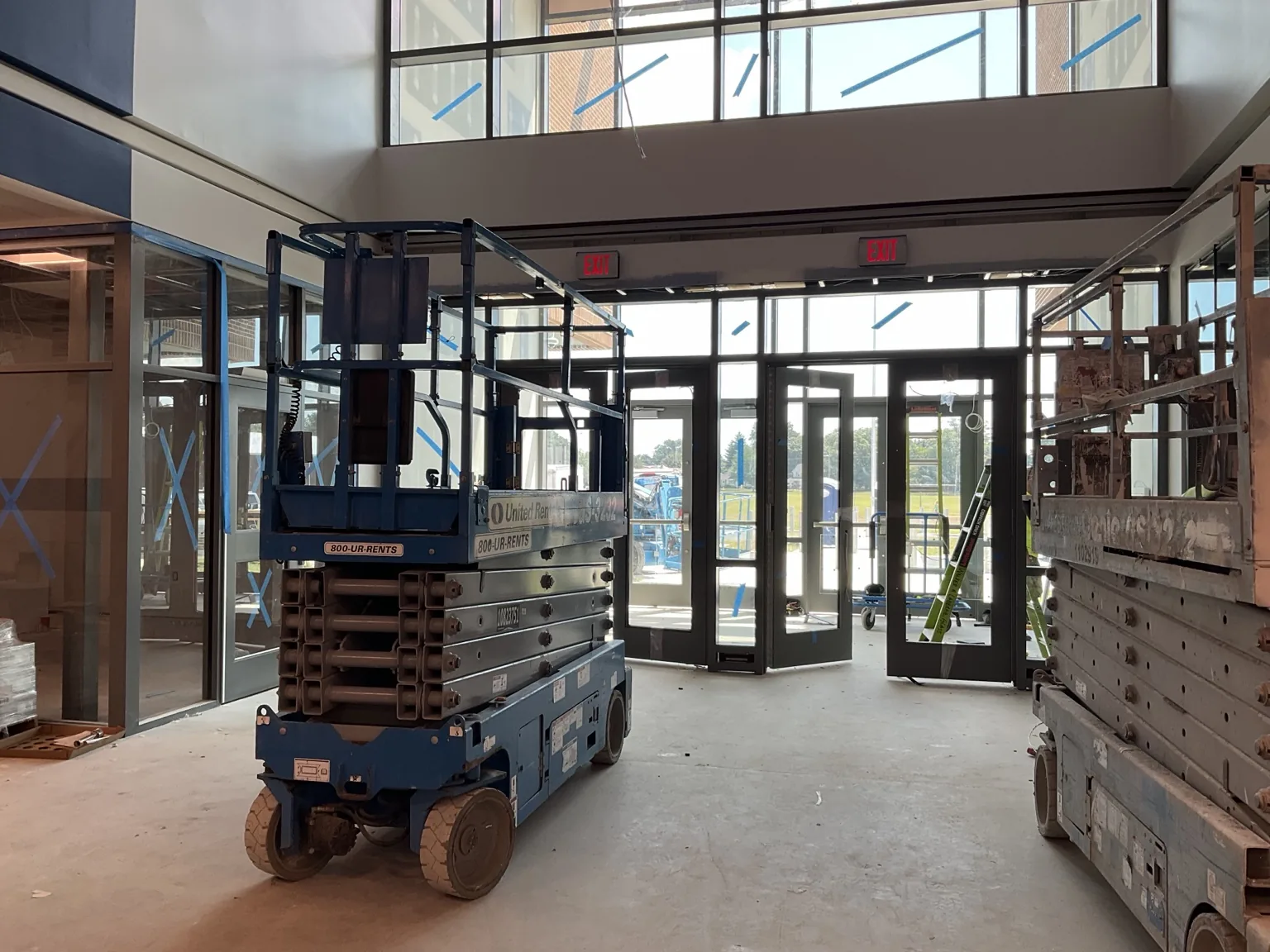
Background: Milford Middle School · Documented installation underway, not a completed-performance claim.
Shore Tint & More · Project precedents
Occupied offices
JPMorgan ChaseCommercial window film across multiple office and call-center locations.
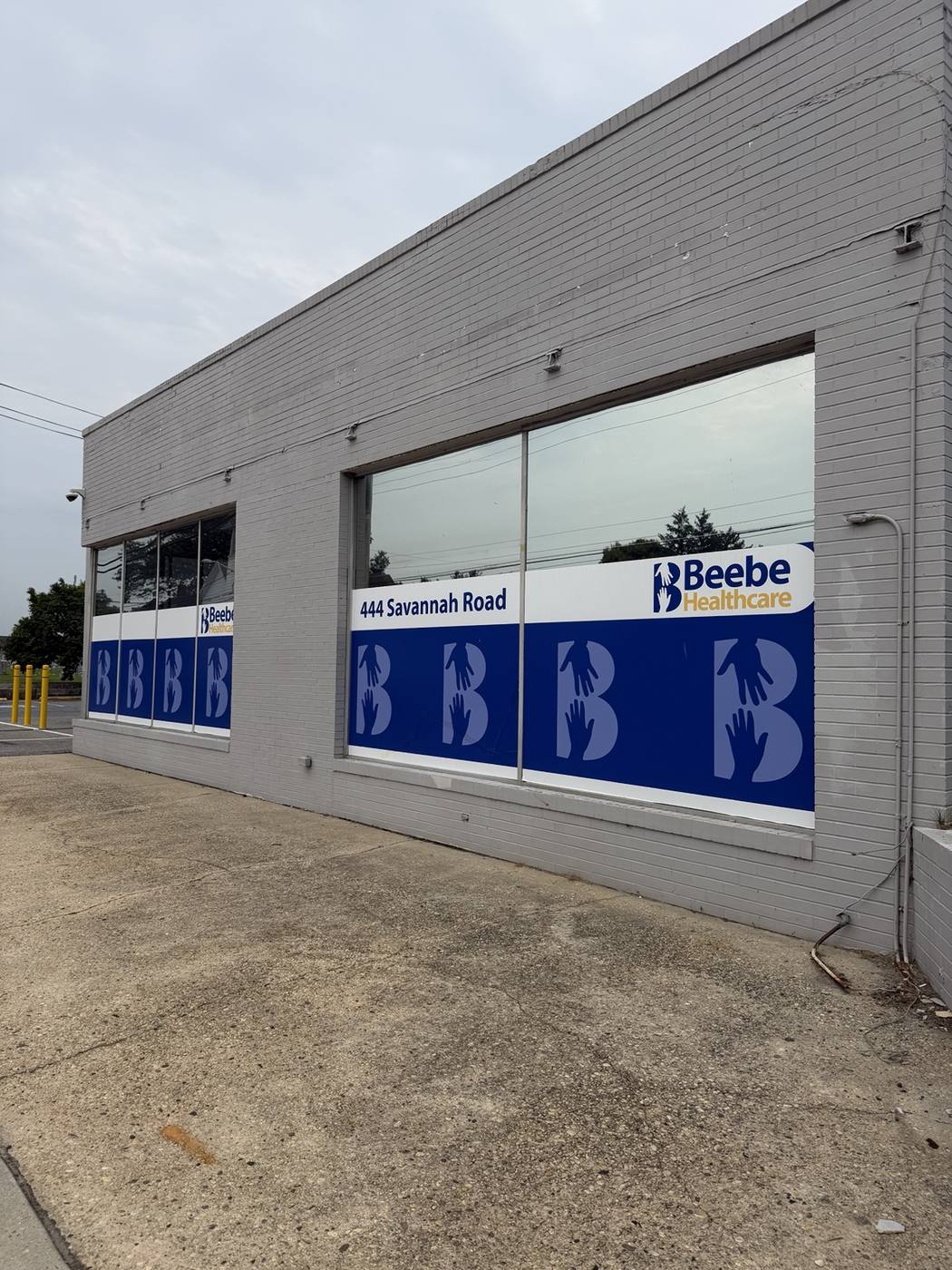
Healthcare training
Beebe HealthcareGlare-control film around computer workstations at the Lewes training facility.
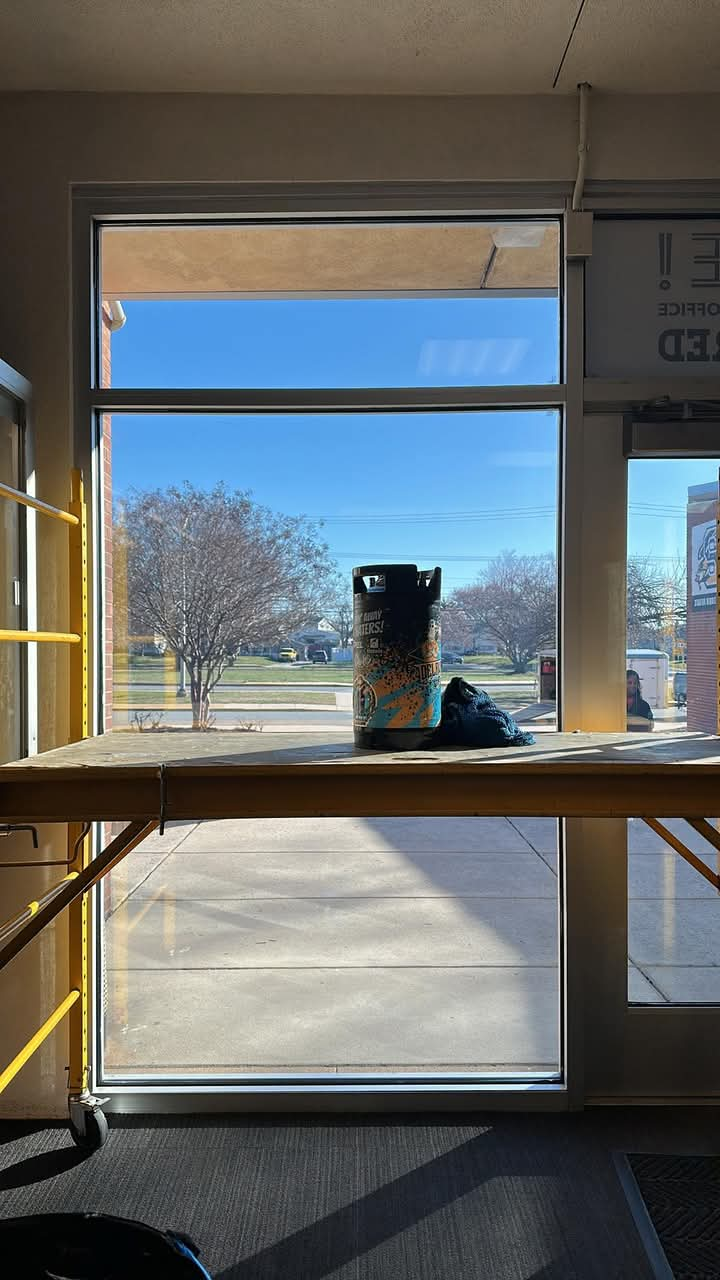
Education
Seaford School DistrictSecurity film and perimeter attachment on school glazing. Explore the installation photos and project details.
Public facilities
Duck Creek Regional LibraryDecorative glass graphics and exterior clerestory film; distinct products for distinct openings.
Identify heat treatment, interlayers, coating surfaces and thermal risks before selecting the film schedule.
Start with the problem at each opening. Different glass and different objectives may require different film schedules.
Compare solar heat gain, visible light transmission and reflectance on the actual glass. Solar, ceramic and spectrally selective options serve different daylight and appearance priorities.
Review applicationReduce UV and solar contributors to fading while retaining daylight. Material sensitivity, visible light, heat and exposure still matter; film does not prevent all fading.
Review applicationReview sightlines and daytime/nighttime lighting. Reflective privacy depends on a lighting difference and is not dependable at night when the interior is brighter.
Review applicationFrost, patterns and privacy bands can organize interior glazing and obscure selected sightlines. Coordinate band heights, visibility markings and project code requirements separately.
Review applicationEvaluate safety-glazing retrofit and glass retention against the required test and assembly. A film product alone does not establish code compliance for every opening.
Review applicationFilm plus a specified perimeter connection can support a forced-entry resistance objective. The complete glass, film, frame and attachment configuration matters; no guaranteed entry-delay time is implied.
Review applicationC-Bond BRS is considered only as the qualifying tested glass, treatment and multilayer film system. Ordinary security film is not bullet-resistant. Some threats require rated replacement glazing.
Review applicationA replaceable surface film can protect suitable glazing from selected surface damage. Coordinate exposure, maintenance and replacement access with the owner.
Review applicationExterior-rated products, skylights, clerestories and irregular panes require glass compatibility and installation-access review. Film can address many glazing problems without glass replacement, but not every condition is suitable.
Review applicationWindow film commonly sits within Division 08 and should be coordinated with glazing, storefront and door work. Use the manufacturer's applicable CSI-format specification as a starting point—not a universal section number. Confirm the project's classification and edition before using an 08 87 xx section; solar, security and decorative scopes may require separate sections or coordinated schedules.
Define the exact film-on-glass basis of design, VLT, TSER, SHGC impact, UV transmission and interior/exterior reflectance. Identify attachment, sealant, substrate and finish requirements separately. Substitution review should compare the complete proposed system and its documentation, not just film thickness or a headline rejection figure.
Compare the intended application and assembly requirements before comparing products.
| Application | Typical objective | System family | Attachment requirement | Design notes |
|---|---|---|---|---|
| Solar / ceramic / spectrally selective | Solar gain, glare & daylight balance | Matched solar-control film | No security attachment inferred; follow product edge requirements | Compare film-on-glass SHGC, VLT and reflectance; review absorption. |
| Reflective privacy | Daytime view control | Reflective or dual-reflective film | Product-specific installation | Lighting governs privacy; retain night privacy treatments where needed. |
| Decorative frost | Fixed sightline privacy / design | Frost, pattern or privacy bands | Product-specific installation | Coordinate sightlines, pattern scale, band heights and maintenance. |
| Safety / security film | Fragment mitigation / glass retention | Specified safety film on qualifying glass | Application-dependent; manufacturer requirements govern | Code/test applicability belongs to the assembly, not a universal film label. |
| Forced-entry film + attachment | Specified resistance objective | S800, S140 or S2400 system as applicable | Specified structural perimeter attachment | S140 requires IPA for all break-and-entry uses; do not claim a guaranteed delay. |
| C-Bond ballistic-resistant retrofit | Project-specific ballistic requirement | Qualifying tested C-Bond BRS system | Match qualifying report and installation details | Glass, layers, treatment, frame and opening must be reviewed; not ordinary security film. |
| Anti-graffiti | Replaceable surface protection | Sacrificial film such as AG4 | Product-specific edge/installation requirements | Define removal, replacement and access responsibilities. |
| Exterior film | Outside application where appropriate | Exterior-rated solar film | Follow product edge sealing and exposure requirements | Review weathering, glass compatibility, access and applicable warranty. |
Start with the breakage objective and required safety/retention test. Identify glass construction and edge conditions before selecting a film.
Review pathwayReview security film with a specified structural perimeter connection and any required engineering review. Heavier film is not a stand-alone performance rating.
Review pathwayReview C-Bond BRS only against the actual qualifying report and glass/film/treatment configuration. The project's ballistic requirement must be checked against that system.
Review pathwayWhere the threat or existing opening cannot be addressed by a qualifying retrofit, coordinate rated glazing replacement with the design team and glazing contractor. This is a different scope—not a film upgrade.
Review pathwayThese are design pathways, not certified protection levels. Final selection depends on glass construction, frame, opening size, film, attachment, threat and project requirements. No ordinary film is bulletproof, and no guaranteed forced-entry delay is offered. Manufacturer requirements and applicable project-specific test documentation govern.
Record annealed, heat-strengthened or tempered glass; monolithic, laminated or insulated construction; pane thickness and existing damage. These are not interchangeable specification bases.
Identify unit make-up and coating surface, not simply 'double pane.' Review film absorption and the manufacturer's glass/film guidance. Do not assume a reference dual-clear table represents a modern Low-E IGU.
Review gaskets, deteriorated seals, frame finishes and available bonding surfaces. Coordinate adhesion, sealant compatibility, edge clearance and attachment dimensions before field work.
Absorption, shading, existing edge damage and glass construction can affect thermal-stress risk. Exterior-rated film is a separate selection with exposure, edge-sealing and access requirements. Obtain manufacturer compatibility review before final selection.
Send elevations and schedules for opening counts, exposed-glass square footage, alternates and budget pricing. Value engineering should preserve the stated objective and documented system basis. Identify occupied areas, after-hours work, lift access, staging and phased turnover early; pricing remains subject to scope and field verification.
Review objectives, glass make-up and basis of design.
Take off openings and glass area; compare scope and phasing.
Clarify exclusions, trade interfaces, attachment and access.
Coordinate product data, representative samples and review comments.
Confirm openings, dimensions, glass condition and installation details.
Coordinate occupancy, lifts and approved work windows.
Provide applicable documentation and maintenance guidance.
Use this list to define the submittal log. Confirm required items, review responsibilities and documentation before award.
Existing project records document the actual scope. Milford Middle School remains documented as underway; no completed ballistic-performance result is claimed.
Existing manufacturer files, organized for specification and submittal review. Check revision, reference glazing and application requirements; these documents do not establish blanket compatibility.
S2400: keep 24 mil nominal film distinct from 25 mil including adhesive; do not combine PET film and S2400 on the same pane. Follow current manufacturer installation and IPA requirements.
Review the exact application and current revision before specifying.
PDF Spec Sheet
PDF Spec
PDF Tech Sheet
PDF Data Card
Data Card (JPG)
Performance tables apply to their published reference glass—not every existing IGU.
PDF Spec
PDF Spec
PDF Spec
PDF Tech Sheet
PDF Spec
PDF Data Card
Confirm the required assembly/test basis and application conditions.
Manufacturer document, not a 3M specification. Match the qualifying tested system.
Terms and eligibility depend on the named film, application and installation.
Use these as design-stage discussion and preliminary budgeting tools. They are not a stamped energy model, an audit, an hourly building simulation or proof of installed performance.
Group-specific glass area and SHGC cooling scenarios with explicit HVAC, operating and rate assumptions.
A preliminary cooling-budget scenario—not an annual net-savings forecast.
Product selection, primary documentation and project assessment paths.
Organize treatment areas and phases for an initial project conversation.
Arrange a design-team or lunch-and-learn session with co-owner Cody Becker on solar performance, safety glazing, forced-entry systems and attachment, or decorative/privacy applications. Confirm the session scope and any AIA credit eligibility before scheduling; this page does not promise accredited hours.
For estimators and project managers: send the Division 08 section, glazing schedule and bid instructions for scope-gap review, bid leveling and coordination with the glazing contractor. Clarify who furnishes film, who prepares the substrate, who owns structural attachment and who provides access. Agree on submittal requirements, occupied-space sequencing and closeout responsibilities before award. Any project-specific certification, insurance or public-work requirement should be confirmed during scope review.
Technical questions to resolve before bidding and final product selection.
Share your project objective, elevations, glazing schedule and Division 08 section. For drawing files, email info@shoretintandmore.com or call (302) 947-4624 to coordinate delivery. The inquiry form starts the conversation; it does not automatically attach or prefill your drawings.