Home Window Tinting in Pelican Point, Millsboro, Delaware
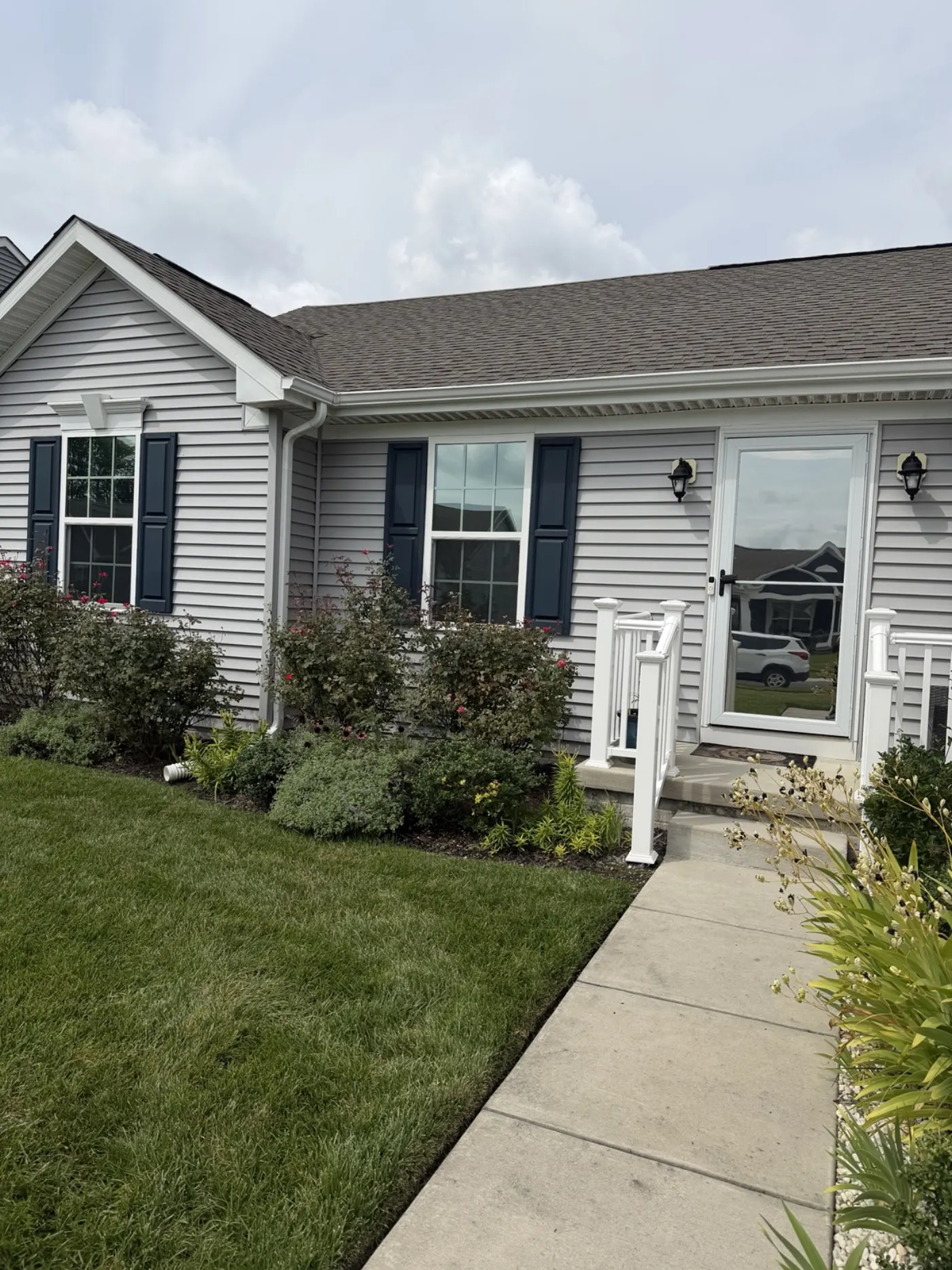
Shore Tint & More installed 3M Night Vision 15 sun control window film on approximately 120 square feet of glass at a home in the Pelican Point development in Millsboro, Sussex County, Delaware — a residential project focused on light filtering, solar heat control, and UV protection.
- Glass treated
- ~120 sq ft
- Film
- 3M Night Vision 15
- Location
- Millsboro, DE
Project snapshot
- Client
- Private residence
- Location
- Pelican Point, Millsboro, Sussex County, Delaware
- Property type
- Single-family home
- Scope
- Approximately 120 sq ft of glass
- Product
- 3M Night Vision 15 sun control window film
- Homeowner goals
- Light filtering, solar heat control, UV protection
- Installer
- Shore Tint & More — 3M Authorized Dealer
PDF case study
Private residence, Pelican Point — project documentation
Shareable one-page summary of the scope, products and finished work.
The challenge
A single-family home in the Pelican Point development in Millsboro, Sussex County, Delaware, with rooms that take strong, direct daylight through standard double-hung windows.
The homeowner’s ask was straightforward — filter the light coming into the living space, cut some of the solar heat arriving through the glass, and add UV protection for interior finishes and furnishings. Approximately 120 square feet of glass was treated, representative of our everyday residential work.
Blinds and shades handle some of that daylight, but only by closing off the view — which is where sun control film comes into the conversation.
Project objectives
- Filter strong direct daylight in the treated rooms
- Reduce solar heat arriving through the existing glass
- Add UV protection to help slow one contributor to interior fading
- Keep the existing windows — a film retrofit, not glass replacement
- Finish approximately 120 sq ft of glass cleanly with tight edges
Why this solution
3M Night Vision 15 was selected because the homeowner wanted noticeably stronger light filtering than a light, near-clear film provides. Night Vision 15 is the darkest shade in the Night Vision range; the same series is available in lighter shades when a homeowner wants to keep more daylight.
3M describes the Night Vision series as a dual-reflective sun control film with low interior reflectivity, designed to reduce glare, reject solar heat, and block ultraviolet light associated with fading. Low interior reflectivity helps reduce interior reflections in the evening rather than eliminating them. These are 3M’s published product characteristics for the series, not measurements taken at this house.
The tradeoff is straightforward and we discuss it up front: a darker shade filters more daylight, so treated rooms take in less light than they did before, and the outward view is retained with reduced brightness. “Night Vision” is a product name rather than a nighttime privacy feature — like any dual-reflective film, its daytime privacy effect depends on the outside being brighter than the inside, so blinds or shades remain the answer after dark.
Installation approach
- 1
The steps below reflect our standard residential process. Photos and clips on this page show real work at this home; steps not visible in the media are labeled as general best practice rather than documented job detail.
- 2
Documented here: an interior work area set up with a portable cutting stand and drop protection near the entry, so film is cut and handled inside.
- 3
Documented here: each pane cleaned and prepped, then film applied wet and squeegeed out pane by pane — the water and mounting solution visible in the progress photos is a normal part of that step, not a defect.
- 4
General best practice: every opening measured individually before film is cut, because even production-built homes carry small variation between openings.
- 5
General best practice: edges trimmed to the glass line and each pane inspected for clarity before the room is put back together.
- 6
Exact installation date, duration, and window count for this job were not recorded for publication, so they are not listed here.
Results
- Approximately 120 sq ft of residential glass treated with 3M Night Vision 15
- Treated rooms include living, dining/craft, office, and bedroom windows shown in the photos
- Existing windows retained — a retrofit to the glass already in the home
- A visibly darker, more filtered look through the treated glass, with the outward view retained at reduced brightness in the finished photos
- The homeowner’s three stated goals — light filtering, solar heat control, and UV protection — addressed through film selection
- No measured temperature or energy-savings results are published for this project
Project photos
Real photos from this project or program. Tap any image to view it larger.
Project videos
Short clips filmed on site during and after this job.
Residential window tinting in Millsboro and inland Sussex County
Pelican Point is a residential community in Millsboro, Sussex County, and homes there use the same standard double-hung window packages found across inland Sussex — the kind of glass we treat regularly for Millsboro homeowners.
Practical advice for similar homes: start with the rooms where daylight actually bothers you. A 120-square-foot scope, chosen room by room, is a common and sensible starting point. Choose the shade around how much daylight you are comfortable giving up, since a darker film filters more light.
If keeping a room bright matters more than maximum filtering, a lighter shade in the same series or a light Prestige film is usually the better conversation. Our Laurel, Delaware home spotlight shows the same series installed at the lighter Night Vision 35 shade for a different balance of view and filtering.
Private residence, Pelican Point — frequently asked questions
Sharing this project with a board, committee or facility team?
3M Night Vision 15 technical data sheet (PDF)Want the same protection on your windows?
Send us a few photos of your rooms and windows. We measure on site, recommend a shade that fits the space, and film arched and odd-shaped glass in house across Delaware and the Maryland Eastern Shore.
- Response within one business day
- 3M Authorized Dealer · IWFA accredited
- Serving Delaware since 1989